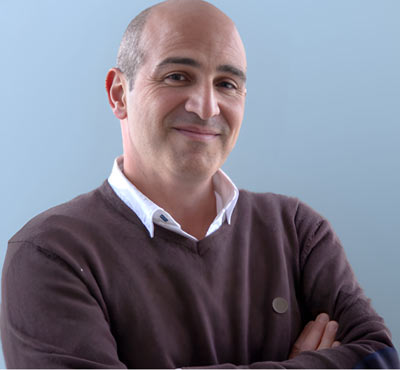
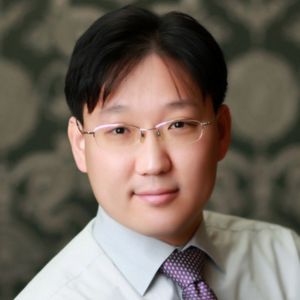
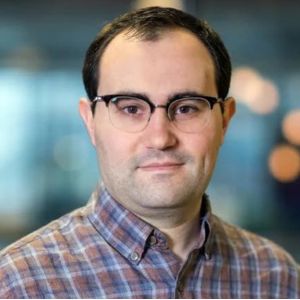
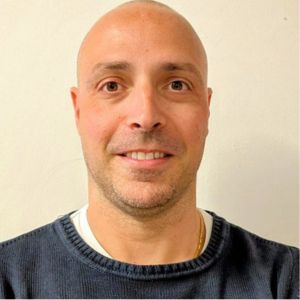
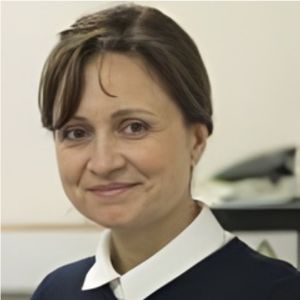
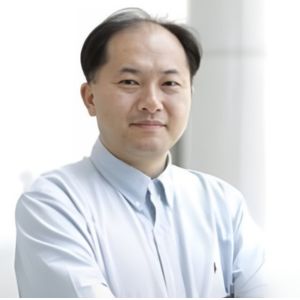
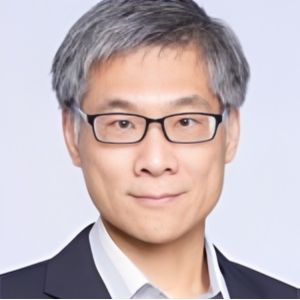
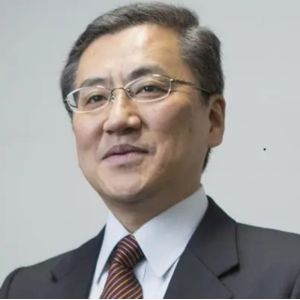
RIKEN Center for Emergent Matter Science (CEMS), Japan
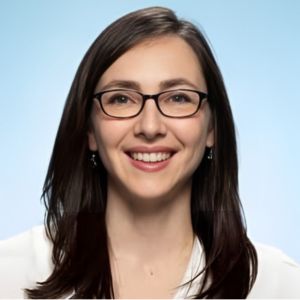
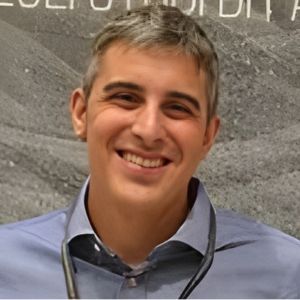
Luisa Torsi
University of Bari Aldo Moro, Italy
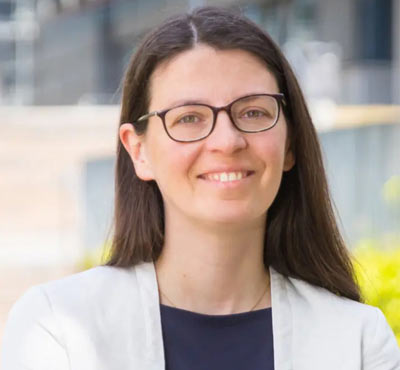
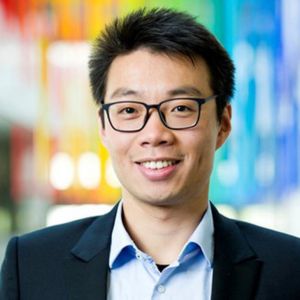
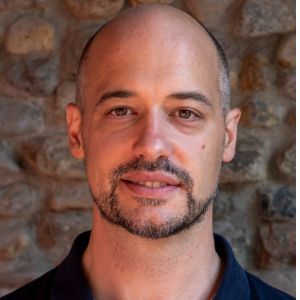
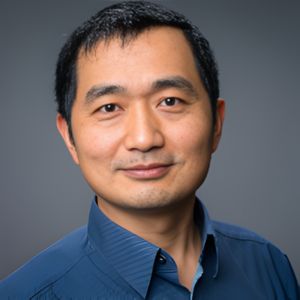
Xinlang Feng
Max Planck Institute of Microstructure Physics, Germany
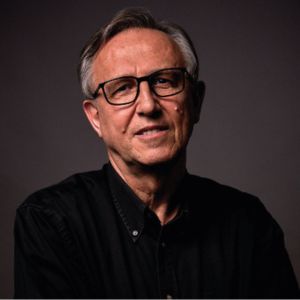
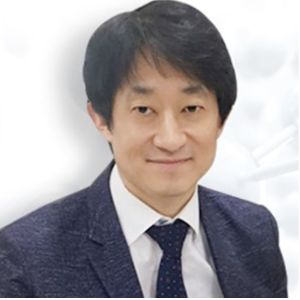
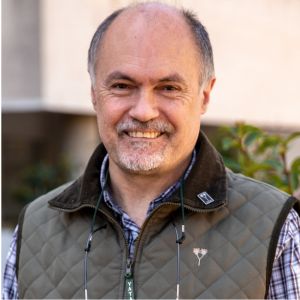
Plamen Atanassov
University of California, Irvine, USA
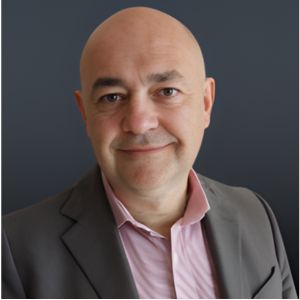
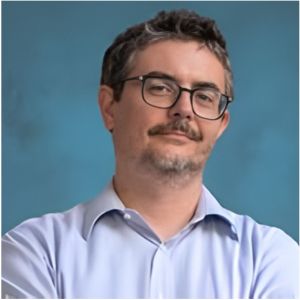
Hernán Míguez
Institute of Materials Science of Sevilla (ICMSE) Spain
Silvia Vignolini
Max Planck Institute of Colloids and Interfaces, Germany
younan xia
Johns Hopkins University, USA
Eugenio Coronado
Professor - ICMol Director - Group Leader University of Valencia, Spain
Keynote
Speakers
Rebeca Marcilla
Senior Researcher & Head of Unit, IMDEA Energy Institute, Spain
Milad Abolhasani
Alcoa Professor & University Faculty Scholar, North Carolina State University, USA
Markus Niederberger
Professor and Chair of the Laboratory for Multifunctional Materials, ETH Zurich, Switzerland
Matteo Mannini
Professor, University of Firenze, Italy
Robert Hoye
Associate Professor, University of Oxford, United Kingdom
Annalisa Bruno
Associate Professor, Nanyang Technological University, Singapore
Valentina Cauda
Full Professor, Politecnico di Torino, Italy
Zhubing HE
Professor, Southern University of Science and Technology (SUSTech), China
Stefano Caramori
Professor, University of Ferrara, Italy
Daniil Karnaushenko
Group Leader and Senior Research Scientist, Chemnitz Technical University, Germany
Simone Meloni
Associate Professor, University of Ferrara, Italy
Monica Morales-Masis
Professor, Eindhoven University of Technology, Netherlands
Lorenzo Malavasi
Professor, University of Pavia, Italy
Guglielmo Lanzani
Professor, Italian Institute of Technology, Italy
Paola Vivo
Professor, Tampere University, Finland
Akimitsu Narita
Professor, Okinawa Institute of Science and Technology, Japan
Claudia Barolo
Professor, University of Turin, Italy
Ryota Kabe
Professor, Okinawa Institute of Science and Technology, Japan
Christiane Becker
Professor and Head of Department Optics for Solar Energy, Helmholtz-Zentrum Berlin für Materialien und Energie GmbH, Germany
Matteo Calandra
Full Professor, Department of Physics University of Trento, Italy
Young Min Song
KAIST Endowed Chair Professor, Korea Advanced Institute of Science and Technology, Republic of Korea
Saptarshi Das
Ackley Professor of Engineering Professor of Engineering Science and Mechanics, University of Pennsylvania, USA
Jochen Feldmann
Chair for Photonics and Optoelectronics, Professor, Ludwig-Maximilians-University, Germany
Latha Venkataraman
Professor, Institute of Science and Technology Austria (ISTA), Austria
Sungjin Park
Professor, Inha University, Republic of Korea
Invited
Speakers
Minghao Yu
Research Group Leader, TU Dresden, Germany
M A Morris
AMBER Director and Professor, The University of Dublin, Ireland
Nicola Pinna
Professor, Humboldt University of Berlin, Germany
Alberto G.Curto
Professor, Ghent University, Belgium
Edoardo Mosconi
Senior Researcher and Project Coordinator,CNR-SCITEC, Italy
Amalia Patane
Professor, University of Nottingham, United Kingdom
Mun Seok Jeong
Professor, Hanyang University, Republic of Korea
Mingdi Yan
Director, Center for Pathogen Research and Training, University of Massachusetts Lowell, USA
In Su Lee
Mueunjae Chair Professor,Pohang University of Science and Technology (POSTECH), Republic of Korea
Mahesh Kumar
Professor, Indian Institute of Technology Jodhpur, India
Marco Gobbi
kerbasque Research Associate Professor | Ramón y Cajal Fellow), Materials Physics Center (MPC), Centro de Física de Materiales (CSIC-UPV/EHU), Spain
Lola Gonzalez-Garcia
Head of the Electrofluids Group, INM – Leibniz Institute for New Materials & Saarland University, Germany
Jana Kalbacova Vejpravova
Full professor, Charles University, Czech Republic
Christian Mark Pelicano
Group Leader SunThesis: Advanced Materials for Solar Fuel Synthesis Department of Colloid Chemistry, Max Planck Institute of Colloids and Interfaces, Germany
Paolo Bollella
Assistant Professor University of Bari A. Moro - Department of Chemistry, Italy
Amir Pakdel
Principal Investigator, Nano for Energy & Environment (NE2) Lab, Trinity College Dublin, Ireland
José A. Berrocal
ICREA Research Professor and Group Leader, Institute of Chemical Research of Catalonia (ICIQ), Spain
Sudhanshu Shuckla
Senior Researcher, Imec, Belgium
Alberto Privitera
Assistant Professor, University of Florence, Italy
Head of the Integrative Biomedical Materials and Nanomedicine Lab and Associate Professor, Universitat Pompeu Fabra, Spain
Tomoyuki Yokota
Associate Professor, The University of Tokyo, Japan
Paolo Giusto
Group Leader, Max Planck Institute of Colloids and Interfaces, Germany
László Óvári
Senior research fellow and Head of Surface and Chemical Dynamics, Extreme Light Infrastructure ERIC, Hungary
Giorgio Zoppellaro
Senior Researcher, Palacky University Olomouc, Czech Republic
Banu Iyisan
Associate Professor, Bogazici University, Turkey
Dario Pisignano
Full Professor, The University of Pisa, Italy
An Hardy
full professor, Hasselt University (UHasselt), Belgium
Karina Morgenstern
Chair of Physical Chemistry and Professor, Ruhr University Bochum, Germany
Steven J. Jonas
Assistant Professor, University of California, Los Angeles (UCLA), USA
Dario Pisignano
Senior Associate Researcher, IMDEA Energy Institute, Spain
Francesco Lamberti
Assistant Professor & Senior Researcher, University of Padova, Italy
Maria Brzhezinskaya
Senior Scientist, Helmholtz-Zentrum Berlin für Materialien und Energie (HZB), Germany
Carlos Franco Pujante
Senior Scientist, ETH Zurich, Switzerland
Juqin Zeng
Assistant Professor, Polytechnic University of Turin, Italy
Chuan-Pu Liu
Distinguished Professor, National Cheng Kung University, Taiwan
Silvio Osella
Associate Professor, University of Warsaw, Poland
Antonio Guerrero Castillejo
Associate Professor and Principal Investigator, Universitat Jaume I, Spain
Luisa De Marco
Senior Researcher & Principal Investigator, CNR-NANOTEC, Italy
Yoshi Okada
Professor, Research Center for Advanced Science and Technology (RCAST),The University of Tokyo, Japan
Wouter Koopman
Group Leader and Principal Investigator, University of Potsdam, Germany
Seong-Ju Hwang
Underwood Distinguished Professor and Department Head, Yonsei University, Republic of Korea
Masha Kamenetska
Associate Professor, Boston University, USA
Barbara Richichi
Associate Professor, University of Florence, Italy
Paula Dias
Senior Researcher, University of Porto, Portugal
Antonio Agresti
Assistant Professor & Senior Researcher, University of Rome Tor Vergata, Italy
Nobert Nemes
Full Professor, Complutense University of Madrid, Spain
H. Samet Varol
University of Bologna, Italy
Sol Carretero Palacios
Tenured Scientist and Principal Investigator, ICMM-CSIC , Spain
Giuseppe Maria Paternò
Associate Professor, Polytechnic University of Milan, Italy
Richard J. Castellano
Senior Scientist, CHASM Advanced Materials, Inc., USA
Emanuel Carlos
Research Group Leader, NOVA School of Science and Technology, Portugal
Francesco Pineider:
Associate Professor, University of Pisa, Italy
Giuseppe Maria Paternò
Senior Research Group Leader, Leibniz Institute of Surface Engineering (IOM), Germany
Tommaso Giovannini
Assistant Professor, University of Rome Tor Vergata, Italy
Matteo Bonomo
Associate Professor, Sapienza University of Rome, Italy
Shengqiang Zhou
Head of Department, Semiconductor Materials, Helmholtz-Zentrum Dresden-Rossendorf (HZDR), Germany
Alejandro R. Goñi
ICREA Research Professor, Institute of Materials Science of Barcelona (ICMAB-CSIC), Spain
Enzo Menna
: Full Professor, University of Padova, Italy
Ana Jorge Sobrido
Professor of Sustainable Energy Materials, Queen Mary University of London (QMUL), United Kingdom
Rudolf Bratschitsch
Full Professor for Experimental Physics, University of Münster, Germany
Marcello Righetto
Tenure-track Assistant Professor, University of Padova, Italy
Emil Hernandez-Pagan
Assistant Professor, University of Delaware, USA
Georgia Giovannini
Scientist, Nanobiology Unit, Mario Negri Institute for Pharmacological Research, Italy
Suchi Guha
Professor and Director of Graduate Studies, University of Missouri, USA
Mark Schvartzman
Full Professor, Department of Materials Engineering, Ben-Gurion University of the Negev, Israel
Michele Ferri
Istituto Italiano di Tecnologia (IIT), Italy
Michele Bianchi
Associate Professor, University of Modena and Reggio Emilia (UNIMORE), Italy
Yoshihiro Iwasa
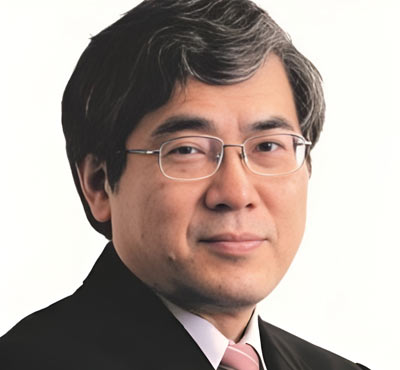
Deputy Director of the RIKEN Center for Emergent Matter Science (CEMS), Japan
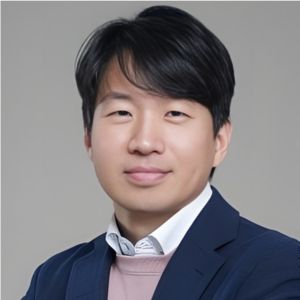
Yoshihiro Iwasa is a world-renowned Japanese physicist and materials scientist, currently serving as Professor at the University of Tokyo and Deputy Director of the RIKEN Center for Emergent Matter Science (CEMS). He is internationally recognized as a pioneer of iontronics, a field he helped establish that exploits ionic control to manipulate the electronic, magnetic, and quantum states of materials.
At the University of Tokyo, Prof. Iwasa is a Professor in the Department of Applied Physics and a core member of the Quantum-Phase Electronics Center. At RIKEN CEMS, he leads the Emergent Device Research Group, where his work bridges condensed-matter physics, materials science, and next-generation electronic devices. His scientific impact has been consistently recognized by Clarivate as a Highly Cited Researcher, including in 2025.
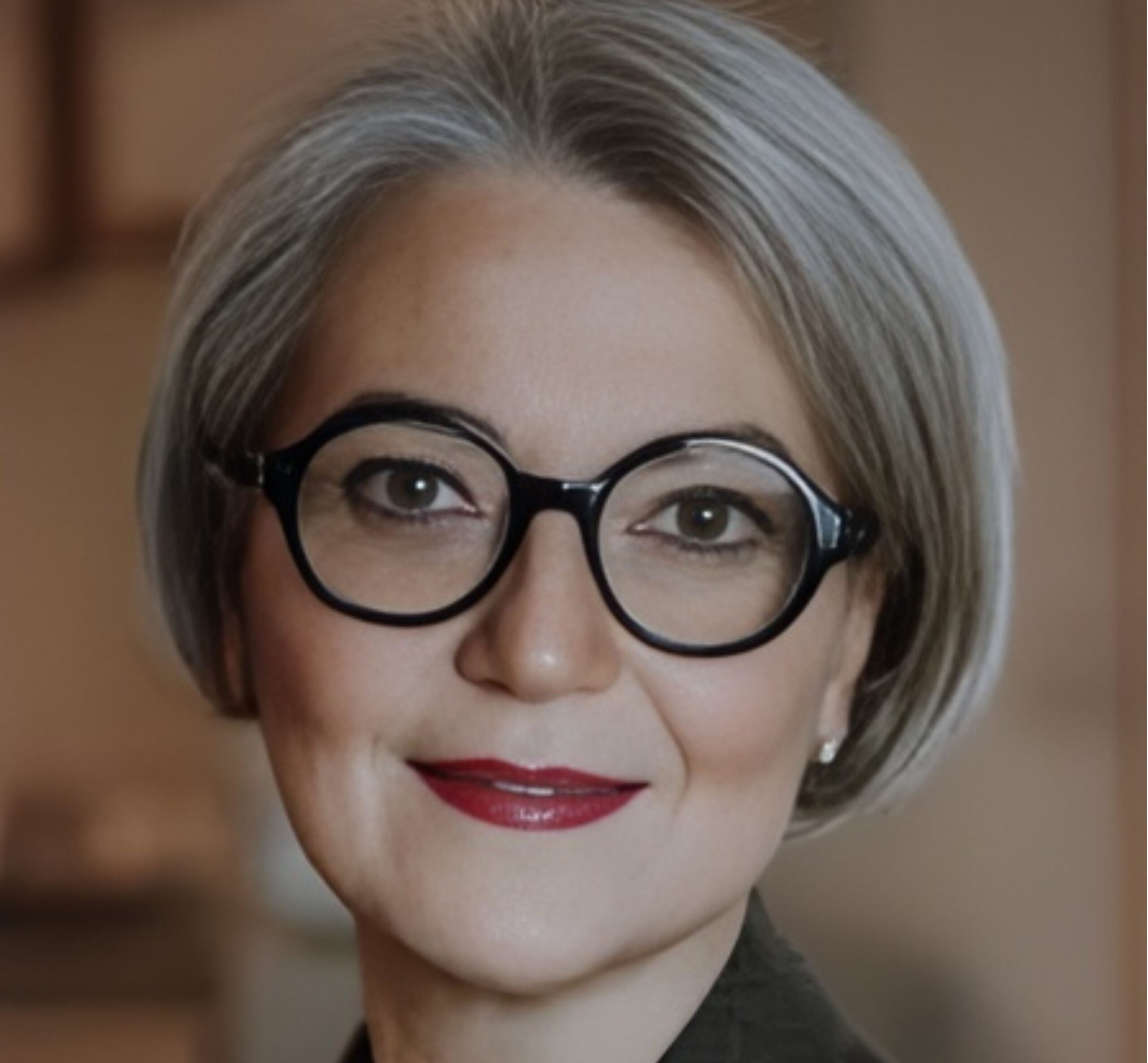
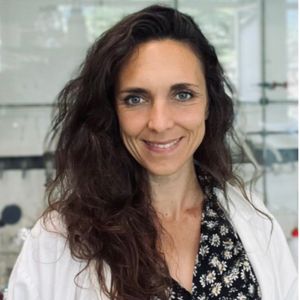
Luisa Torsi
Full Professor of Chemistry, University of Bari Aldo Moro Vice President, Scientific Council, Italian National Research Council (CNR), ITaly
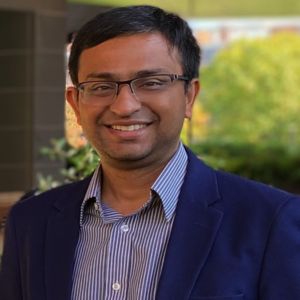
Luisa Torsi is an internationally acclaimed chemist and a pioneer in organic bioelectronics and single-molecule sensing. She is Full Professor of Chemistry at the University of Bari Aldo Moro and a Fellow of the National Academy of the Lincei. Prof. Torsi currently serves as Vice President of the Scientific Council of the Italian National Research Council and President of the Regional Agency for Technology, Technology Transfer, and Innovation (ARTI).
She has received numerous prestigious honors, including the Wilhelm Exner Medal, the IUPAC Distinguished Women in Chemistry Award, and the President of the Republic Prize. Author of approximately 290 scientific papers and co-inventor of 14 patents, she is globally recognized for translating single molecule bioelectronic technologies into real-world diagnostic applications.
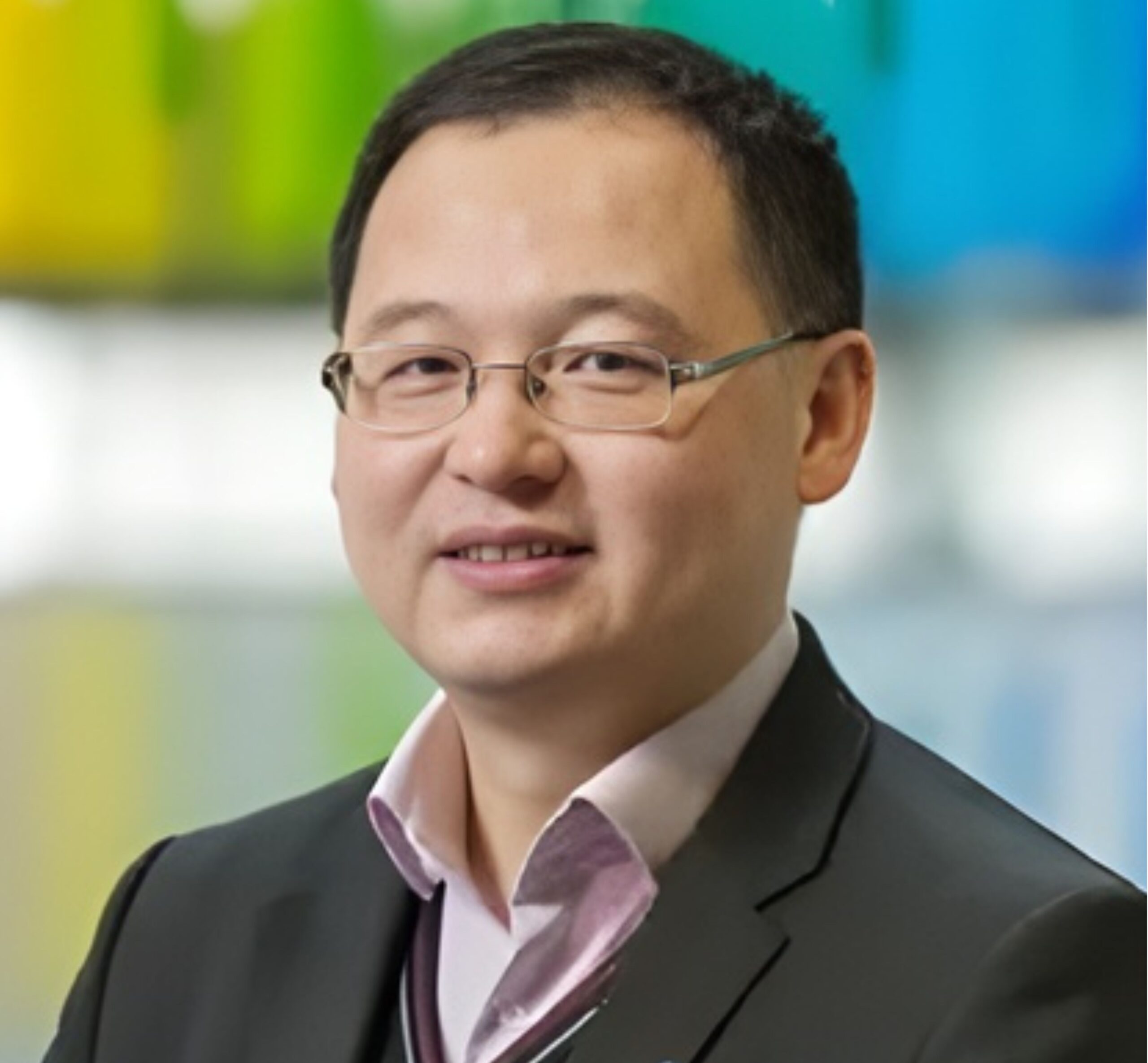
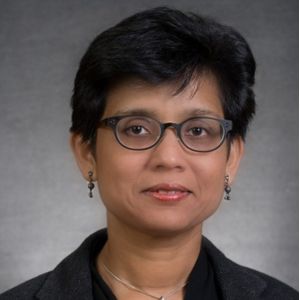
Xinlang Feng
Director, Max Planck Institute of Microstructure Physics Department of Synthetic Materials and Functional Devices Halle (Saale), Germany
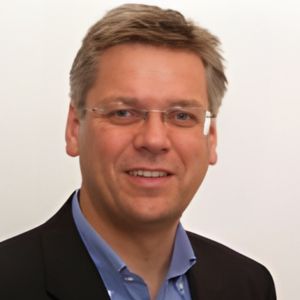
Xinliang Feng is a world-leading materials scientist renowned for pioneering research in synthetic molecular materials, graphene, and two-dimensional (2D) systems. He is Director of the Max Planck Institute of Microstructure Physics (Department of Synthetic Materials and Functional Devices) and Chair for Molecular Functional Materials at Technische Universität Dresden, where he is also a core member of the Center for Advancing Electronics Dresden (cfaed).
An elected member of acatech, Academia Europaea (MAE), EurASc, and ML, Prof. Feng has authored 800+ high-impact publications, is among the most highly cited researchers worldwide, and is a recipient of the prestigious DFG Leibniz Prize.
Silvia Vignolini
Director, Max Planck Institute of Colloids and Interfaces Head, Department of Sustainable and Bio-inspired Materials, Germany
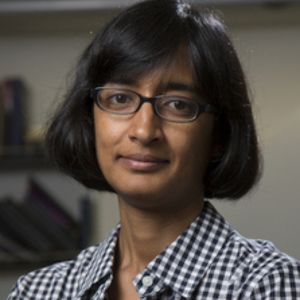
Silvia Vignolini is an internationally recognized physicist and materials scientist renowned for her pioneering work on sustainable and bio-inspired materials with optical functionality. She is Director of the Max Planck Institute of Colloids and Interfaces in Potsdam,
leading the Department of Sustainable and Bio-inspired Materials. Her interdisciplinary research spans chemistry, soft matter physics, optics, and biology. Prof. Vignolini has authored over 130 publications and received numerous prestigious awards, including the Philip Leverhulme Prize, Steven Vogel Award (Institute of Physics), RSC Gibson–Fawcett Award, ACS Sustainable Chemistry & Engineering Lectureship Award, KINGFA Young
Investigator Award, and the Premio Daniela Pucci Award, highlighting her international leadership in bio-inspired and sustainable materials research.
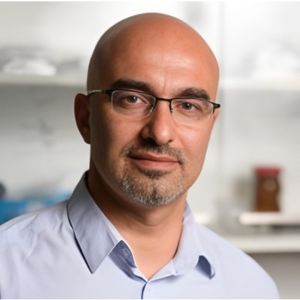
Hernán Míguez
Research Professor, Spanish National Research Council (CSIC) Group Leader, Multifunctional Optical Materials Group Institute of Materials Science of Sevilla, Spain
Prof. Hernán Míguez is a Research Professor at the Spanish National Research Council (CSIC) and the founding leader of the Multifunctional Optical Materials Group, which he established in 2004 after joining the Institute of Materials Science of Seville as a tenured scientist. Since then, his work has gained wide recognition at both the scientific and technological levels.
His research excellence has been acknowledged with major distinctions, including an ERC Consolidator Grant and the RSEF–BBVA Prize in Physics and Innovation. Prof. Míguez is a frequent keynote and invited speaker at leading international conferences, universities, and research institutions. He also serves on the editorial board of Advanced Optical Materials and contributes to the scientific advisory boards and councils of prominent research centers such as ICIQ and INL.
Andrey Rogach
Yeung Kin Man Chair Professor in Photonics Materials Founding Director, Centre for Functional Photonics (CFP) City University of Hong Kong (CityUHK), Hong Kong
Prof. Andrey Rogach is the Yeung Kin Man Chair Professor in Photonics Materials at the City University of Hong Kong, where he also serves as the Founding Director of the Centre for Functional Photonics (CFP). He is a Foreign Member of Academia Europaea (MAE) and holds a habilitation degree from Ludwig-Maximilians University, Munich.
Prof. Rogach’s research focuses on colloidal chemistry approaches to synthesize semiconductor and metal nanocrystals with precisely controlled sizes, shapes, and compositions. By tuning their optical properties across the visible and near-infrared spectrum, his group explores applications in light-emitting devices, photodetectors, and hybrid nanostructures. Using advanced optical spectroscopy, they investigate energy transfer and charge separation processes at the nanoscale.
🛡️
For your safety: Register only via the official website. We do not authorize any third-party agencies for registration, accommodation, or travel arrangements. Remain vigilant to prevent fraud.